

ONE Petroleum Trading
Diesel Trade

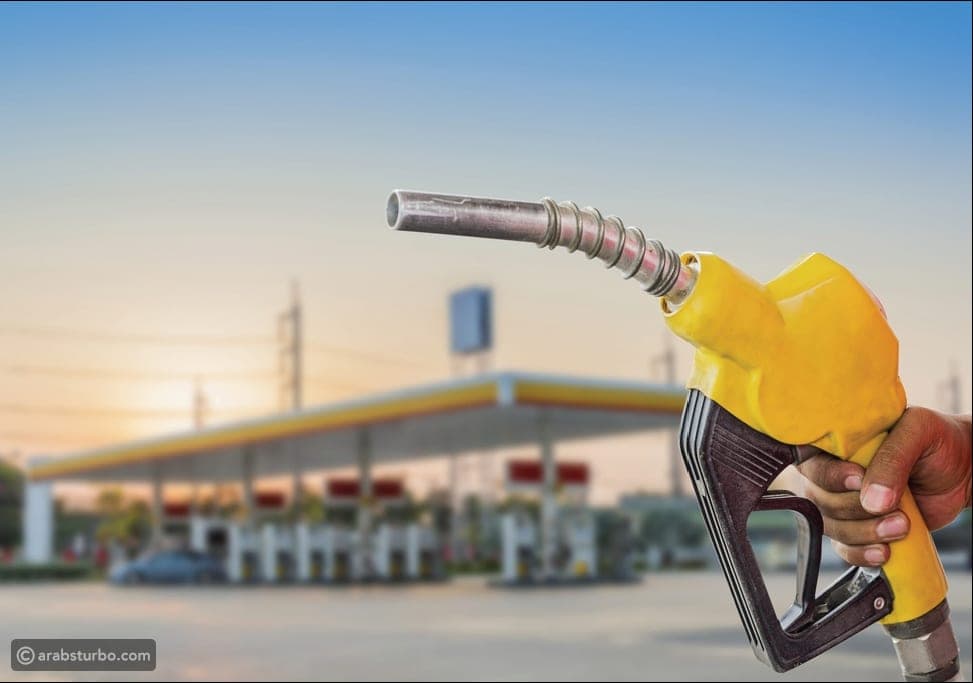
One Trading is engaged in the diesel trade, locally and internationally, buying and selling these petroleum products in large quantities. The company meets customers' diesel needs across a variety of applications such as transportation, industry, and agriculture. It strives to provide high-quality diesel at competitive prices, and is committed to excellent customer service through flexible and efficient distribution options. One Trading relies on an extensive network of suppliers and customers to achieve its success in the diesel trade market.
Petroleum Derivatives Trading

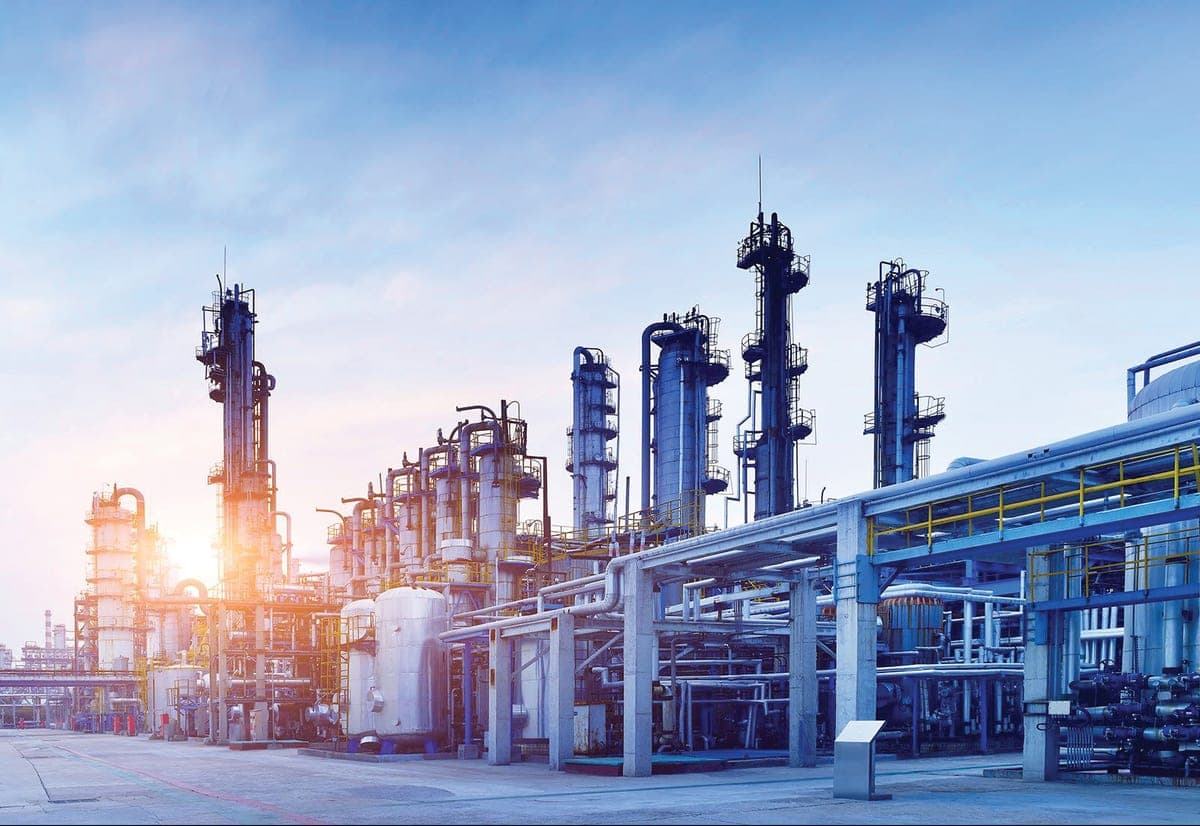
One Trading practises oil derivatives trading, where it buys and sells crude oil and its derivative products. The company deals with a variety of petroleum products such as gasoline, diesel, aviation fuel, and others, and works to meet customer needs flexibly and effectively. The company strives for sustainability in its business operations, maintaining long-term relationships with suppliers and customers. The company has a professional team and extensive experience in the oil and energy industry, which helps it provide high-quality services and meet the needs of the market excellently.
Tar & Asphalt Trading

Tar and asphalt trading covers the extraction and manufacture of petrochemical products derived from oil, such as tar and asphalt. It is an important industry worldwide, as these products are used across many sectors including construction, roads, and numerous other industrial applications.
Tar and asphalt are extracted from crude oil by refining processes in refineries. Crude oil is heated in special furnaces to separate different components, forming different products including tar and asphalt.
Tar and asphalt trading is an essential part of the petrochemical supply chain and helps meet infrastructure needs across many industries, playing an important role in the global economy.
Trading of Oil Refining Derivatives Outside the UAE
This is one of the key activities in the global oil and gas industry. It includes transporting crude oil from production regions to refineries in other countries, where it is converted into petroleum products such as gasoline, diesel, aviation fuel, and petrochemicals. Many countries operate their own oil refineries, yet several factors lead some companies or countries to prefer refining oil beyond their borders, including:
Access to global markets
By refining oil outside the country, companies can easily access multiple global markets, without having to deal with trade restrictions or customs duties that may exist in some countries.
Technology and experience
Some countries may lack advanced technology or experience in operating refineries, so it is more appropriate to use countries or companies that have the necessary technology and experience.
Cost saving
Some countries may have high costs of refining oil locally, so it is more appropriate to purchase oil products from outside the country where costs can be saved.

Petroleum Derivatives Storage Tanks
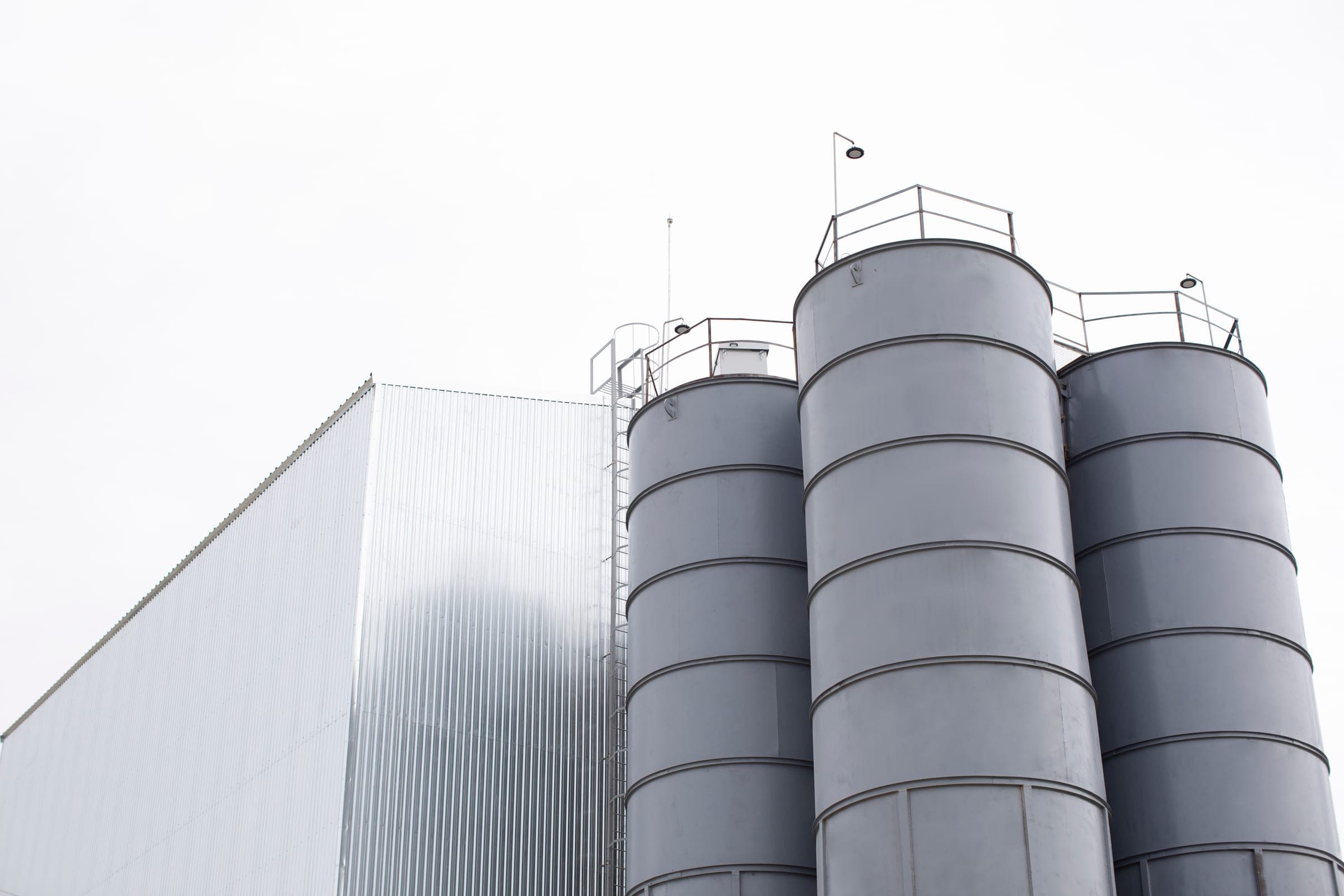
Petroleum derivatives logistics storage is the process of managing, storing, and transporting petroleum products from production sites to the end locations that require them. This involves an integrated chain of operations and services to ensure the safe and efficient storage and transport of these derivatives. Below are some of the core services and concepts associated with petroleum derivatives logistics storage:
Storage Tanks
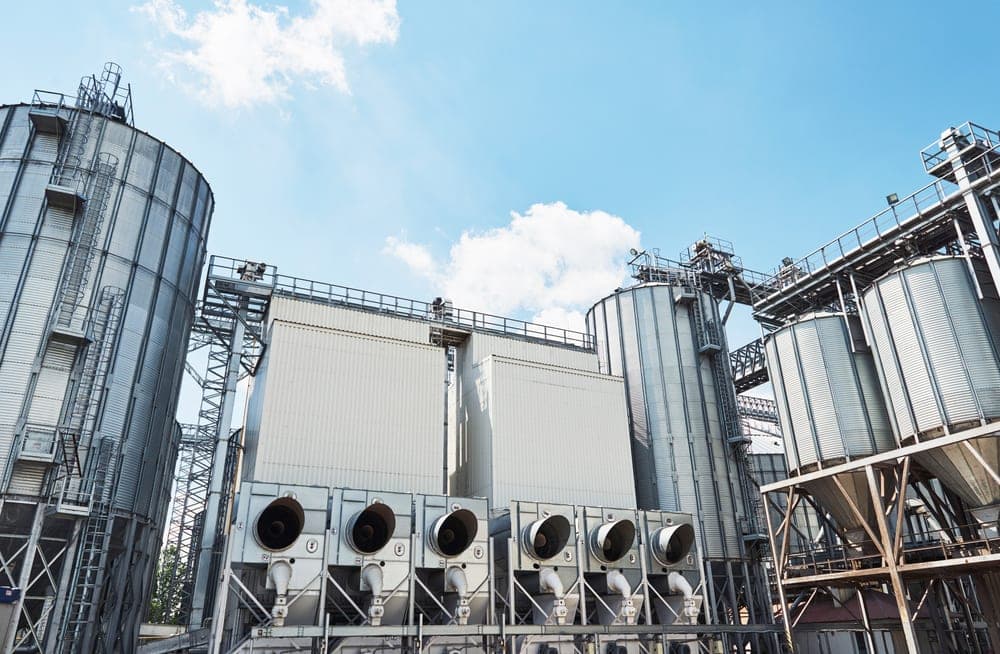
Fixed tanks: used for long-term storage at refineries or distribution stations. Mobile tanks: used to transport petroleum derivatives via trucks or trains.
Transporting Petroleum Derivatives
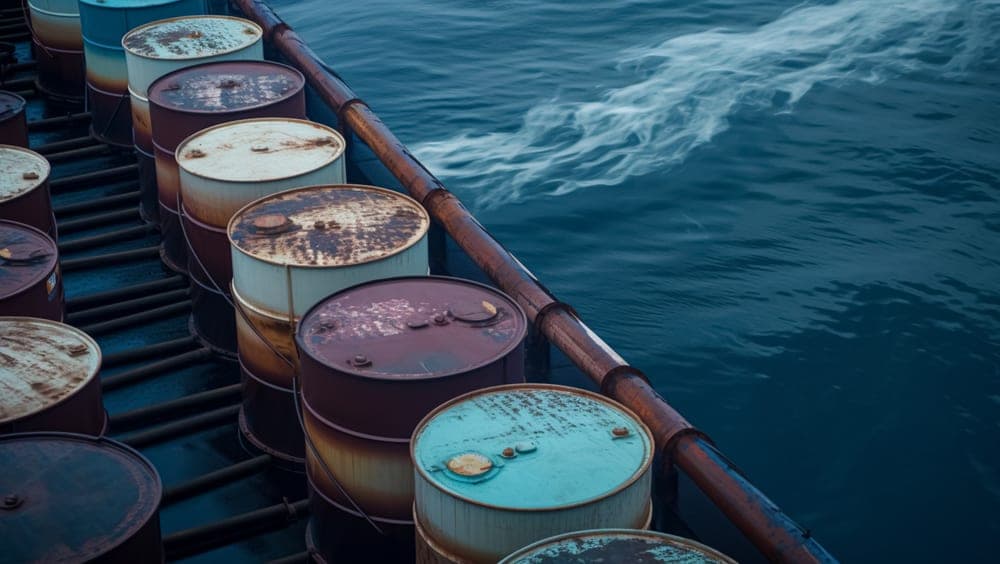
Land transport: via tanker trucks equipped to carry fuel. Sea transport: via large oil tankers.
Processing & Distribution of Products
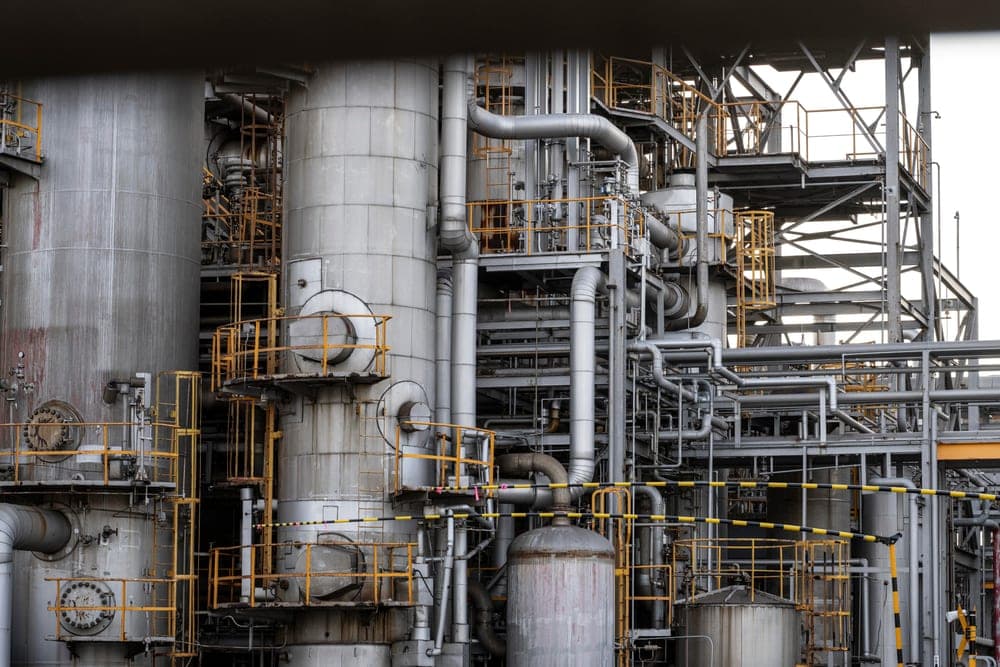
Distribution centers: organise the distribution of petroleum derivatives through local and regional distribution centers. Blending facilities: blend different fuel components to meet specific specifications.
Inventory Management
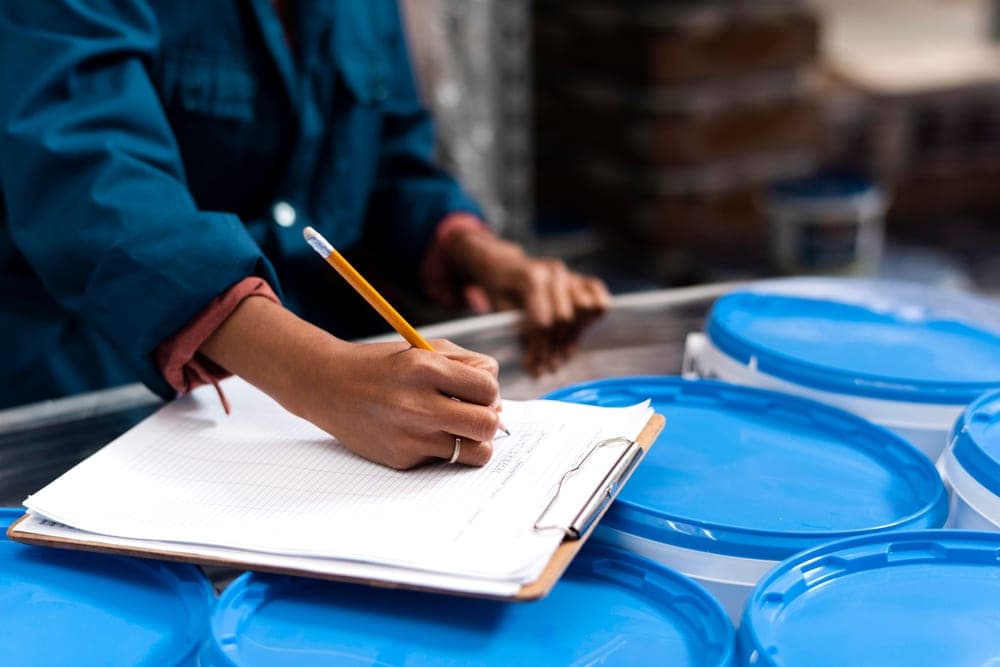
Automated control systems: using advanced technologies to manage and monitor tank inventory. Data analysis: analysing usage and distribution data to improve efficiency and reduce loss.
Maintenance & Inspection
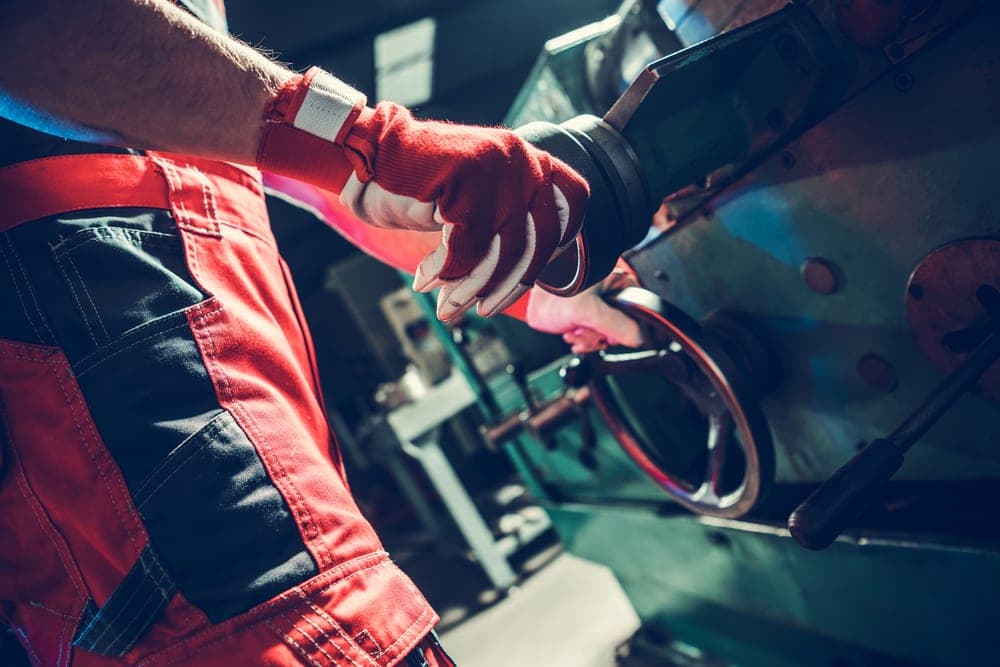
Periodic inspection: conducting regular inspections of tanks and containers to ensure their safety. Repair & maintenance: providing preventive maintenance services and necessary repairs for tanks and transport systems.
Safety Standards

Safety procedures: implementing safety measures to prevent leaks and explosions. Training: training staff on the safe handling of petroleum derivatives.
Challenges & Solutions

Challenges: include environmental risks, potential leakage, price fluctuations, and regulatory compliance requirements. Solutions: adopting advanced tracking and monitoring technologies, improving transport and storage infrastructure, and applying strict safety standards.
Petroleum derivatives logistics storage requires precise coordination among numerous parties to ensure products are delivered safely and efficiently, while reducing the environmental impact and risks associated with transporting and storing petroleum materials.